Your Chair Is Wrecking Your Body — Here's How to Fix It in 10 Minutes Flat
The Silent Damage Happening Right Now
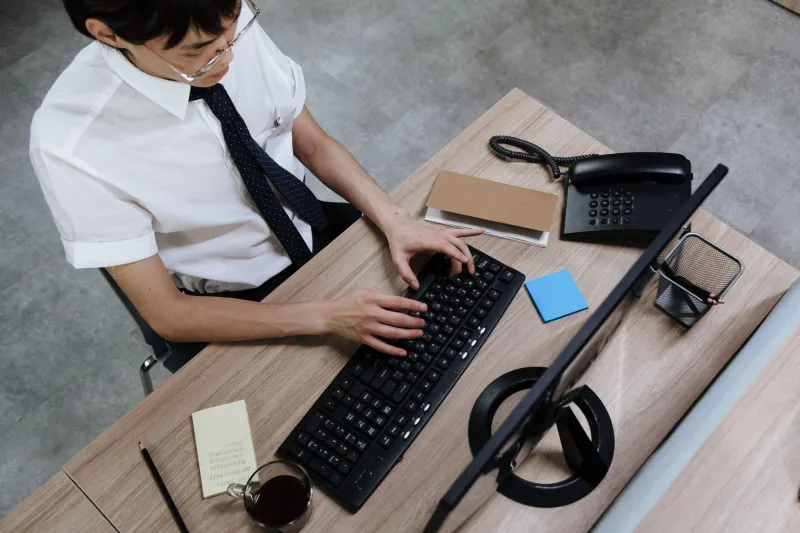
Here's something nobody tells you when you land that desk job: sitting still is physically exhausting. Not in the way a long run is exhausting, but in a slow, creeping way that leaves you slumped, achy, and completely drained by mid-afternoon. Researchers call it postural fatigue, and it's what happens when your muscles are forced to hold the same position for hours on end without relief.
Your neck juts forward. Your shoulders round inward. Your hip flexors tighten like guitar strings. And your lower back? It's basically screaming into the void.
The good news? You don't need a standing desk, a yoga mat, or a fancy corporate wellness program to fight back. You just need about 10 minutes and a willingness to look slightly odd in front of your coworkers for a moment or two.
Why Movement Science Says "Just Walk Around" Isn't Enough
You've probably heard that you should get up every hour and stretch your legs. That advice isn't wrong, but it's incomplete. Simply standing up and walking to the coffee machine doesn't address the specific muscular imbalances that desk work creates.
When you sit for long periods, certain muscles become overactive and tight — namely your hip flexors, chest, and upper trapezius. Meanwhile, opposing muscles like your glutes, deep core, and mid-back become underactive and weak. This imbalance is what causes that classic hunched-over, head-forward posture that plagues office workers across the country.
Targeted micro-movements that specifically counteract these patterns are far more effective than random movement alone. Think of it as a reset button for your body — not just a break from sitting.
The 10-Minute Desk Reset Routine
This sequence is designed to be done at your desk or in a small break room. You don't need to change clothes, and nothing here requires getting on the floor. Do this once midmorning and once in the early afternoon for best results.
1. Chin Tucks (1 minute)
This one looks a little goofy but it's arguably the most important move in the whole routine. Sit tall, then gently draw your chin straight back — like you're trying to make a double chin. Hold for three seconds, release, and repeat. This directly counteracts forward head posture, which is the number one postural problem among desk workers.
Do 10–12 reps. Your neck will thank you.
2. Seated Thoracic Extension (1 minute)
Scoot to the edge of your chair and place both hands behind your head. Gently arch your upper back over your hands, looking slightly upward. Hold for five seconds, then slowly return to neutral. This opens up your thoracic spine — the part of your back that gets brutally compressed during hours of forward-leaning screen time.
Do 8–10 reps. Go slow. No yanking on your neck.
3. Standing Hip Flexor Stretch (2 minutes)
Finally, a reason to stand up. Step one foot forward into a slight lunge position while keeping your back knee straight. Gently tuck your pelvis under and hold the stretch for 20–30 seconds on each side. Your hip flexors — which shorten dramatically during prolonged sitting — will feel this immediately.
This one alone can dramatically improve your lower back comfort.
4. Wall Angels or Doorway Chest Opener (2 minutes)
Find a doorway or an open wall. Place your forearms against the frame and gently lean forward until you feel a stretch across your chest and shoulders. Hold for 20–30 seconds. If you have a bit more space, wall angels (sliding your arms up and down a wall in a "snow angel" motion) are even more effective for activating your mid-back muscles.
Do 2–3 sets. This directly combats the rounded-shoulder posture that desk work creates.
5. Seated Glute Activation (2 minutes)
Your glutes are probably the most underworked muscle group in your body right now. Sitting literally shuts them off. While seated, squeeze your glutes as hard as you can for 5 seconds, then release. Alternate between both sides. It sounds too simple to matter, but consistently waking up these muscles helps stabilize your pelvis and protect your lower back.
Do 15–20 reps per side.
6. Shoulder Blade Squeezes (1 minute)
Sit up straight and pull your shoulder blades together like you're trying to hold a pencil between them. Hold for five seconds and release. This activates your rhomboids and lower traps — muscles that spend most of the workday completely switched off.
Do 12–15 reps.
7. Neck Side Stretch and Rotation (1 minute)
Gently tilt your right ear toward your right shoulder and hold for 15–20 seconds. Switch sides. Then slowly rotate your head left and right, pausing at each endpoint. No forcing, no cracking — just gentle, controlled movement to release accumulated tension in your upper traps and cervical spine.
Making This Stick Without Overthinking It
The biggest obstacle to any workplace wellness habit isn't motivation — it's forgetting. Set a recurring phone alarm labeled "desk reset" for 10 AM and 2 PM. That's it. You don't need an app, a fitness tracker, or a coach standing over your shoulder.
If you work from home, this is even easier to build in. If you're in an open office and feel self-conscious, remember that more people are dealing with the same aches and pains than you think — and half of them will probably ask to join you within a week.
The Afternoon Energy Connection
Here's a bonus that most people don't expect: consistently doing this routine tends to improve your afternoon energy levels noticeably. When your posture collapses, so does your breathing capacity. Rounded shoulders literally compress your diaphragm, reducing oxygen intake and contributing to that foggy, sluggish feeling that hits around 2 PM.
By resetting your posture and getting blood moving through tight, compressed tissues, you're essentially giving your brain a fresh supply of oxygen. It's not a substitute for a good night's sleep, but it's a surprisingly effective pick-me-up that costs nothing and takes less time than scrolling through your phone.
Move more — even when you're stuck at a desk. Your body was built for it.