Your Fitness Tracker Is Lying to Your Face — And It's Costing You Real Results
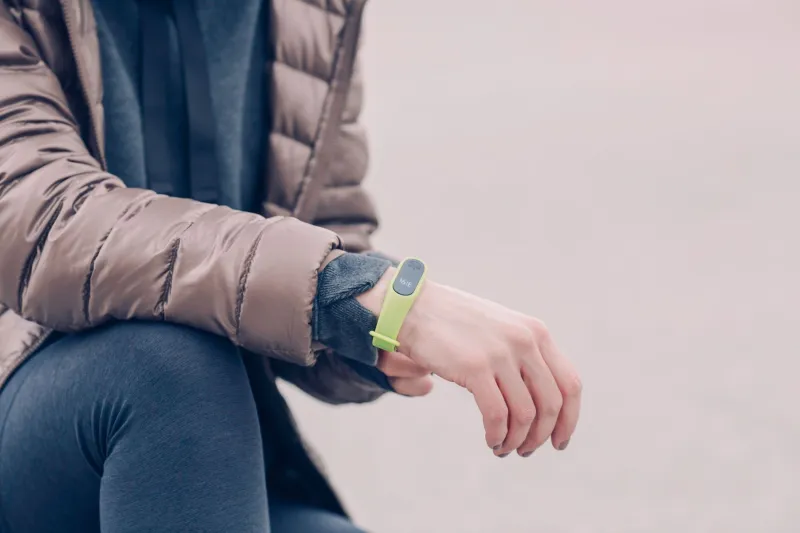
You crushed a 45-minute workout this morning. Your tracker buzzed with a satisfying summary: 480 calories burned. You feel good about it. You maybe even treat yourself to a slightly bigger lunch because, hey, you earned it.
Here's the uncomfortable truth: that number is probably wrong. Not a little wrong. Potentially hundreds-of-calories wrong. And if you've been making daily decisions based on it — food choices, workout intensity, rest days — it's worth understanding exactly why.
The Algorithm Behind the Number Is Built for Someone Else
Every fitness tracker, from budget step counters to premium smartwatches, relies on algorithms to estimate calorie burn. The problem? Those algorithms were largely built on population averages. They take a handful of data points — your age, height, weight, maybe heart rate — and run them through a formula designed to fit the widest possible range of users.
That sounds reasonable until you realize how wildly different two people of the same age and weight can actually be. A 35-year-old woman who weighs 155 pounds but has been strength training for five years has a dramatically different metabolic profile than another 35-year-old woman at the same weight who's relatively new to exercise. Muscle is metabolically expensive tissue. It burns more calories at rest and responds differently during movement. Your tracker has no idea how much of you is muscle versus fat — and it doesn't ask.
Research backs this up. Multiple independent studies have found that popular consumer wearables can miss actual calorie expenditure by anywhere from 20% to over 90% in certain activity types. One Stanford study tested seven major fitness trackers and found that even the most accurate device was off by an average of 27%. The least accurate? Off by 93%.
Cardio Versus Strength: Where the Errors Get Worse
Fitness trackers were originally designed with cardio in mind. They're reasonably decent at estimating calorie burn during steady-state activities like jogging or cycling — movements that produce predictable heart rate patterns and consistent motion. But the moment you step into a weight room, the wheels come off.
Strength training involves short bursts of intense effort followed by rest. Your heart rate spikes, drops, spikes again. The accelerometer in your wrist device picks up some of that, but it misses the metabolic cost of the actual muscular contraction. It especially misses the afterburn — the elevated calorie burn that continues for hours after a hard lifting session as your body repairs muscle tissue. That post-workout metabolic boost, known as excess post-exercise oxygen consumption (EPOC), can be significant, and no wrist-based tracker captures it accurately.
High-intensity interval training has the same problem. Your device might read a 20-minute HIIT session as a moderate workout because your average heart rate over the full period looks unremarkable. But those 30-second all-out intervals are doing metabolic work that the algorithm simply can't account for.
The Sweat Factor Your Device Ignores
Here's something most people don't think about: two people doing the exact same workout can burn meaningfully different amounts of calories based purely on how efficient their bodies have become at that movement.
When you're new to running, your body is inefficient. It recruits more muscle fibers than necessary, wastes energy on stabilization, and generally burns more calories per mile. As you get better — as your form improves and your body adapts — you become more economical. You burn fewer calories doing the same thing. This is a fitness win in many ways, but it means the calorie estimate your tracker gave you six months ago is even less accurate today.
Your device doesn't know you've become a more efficient mover. It's still doing the same math.
So What Should You Actually Track?
None of this means you should throw your tracker in a drawer. These devices are genuinely useful — just not for the reason most people use them.
Trend data over time. Rather than obsessing over a single day's calorie number, look at patterns across weeks and months. Is your resting heart rate dropping? That's a sign your cardiovascular fitness is improving. Are you consistently hitting more steps than you were three months ago? That matters more than any single daily burn estimate.
Relative effort, not absolute numbers. Use your heart rate zones as a guide for workout intensity rather than a calorie calculator. Knowing you spent 20 minutes in your higher heart rate zone tells you something real about the quality of your session, regardless of what calorie number the device assigns to it.
Sleep and recovery metrics. This is where wearables genuinely shine. Sleep duration, sleep consistency, and resting heart rate variability are metrics your tracker can measure with reasonable accuracy — and they have a massive impact on your fitness results, body composition, and energy levels.
How your body actually feels. This one sounds almost too simple, but it's the most underrated metric in fitness. Energy levels, hunger patterns, workout performance, recovery speed — your body is constantly giving you feedback that no algorithm can replicate. Learning to read those signals is a skill worth developing.
Stop Eating Back Phantom Calories
One of the most common ways inaccurate tracker data derails real progress is through what nutritionists sometimes call "eating back" calories. You log a workout, your app tells you that you burned 600 calories, and you feel licensed to eat more. If that 600-calorie estimate is actually closer to 350, you've created a calorie surplus you didn't intend — every single day.
This isn't about eating less or punishing yourself. It's about not letting a flawed algorithm make your nutrition decisions for you. If you're trying to lose body fat or maintain a specific weight, building your eating habits around a number your device made up is a shaky foundation.
A better approach: use a consistent, evidence-based method to estimate your total daily energy expenditure — tools like the Mifflin-St Jeor equation adjusted for activity level — and treat your tracker's calorie data as a rough relative indicator, not a precise measurement.
The Bottom Line
Your fitness tracker is a useful tool. It's just not the oracle it presents itself as. The calorie burn numbers on that screen are estimates built on population averages, and they don't know your metabolism, your muscle mass, your movement efficiency, or your fitness history.
Use your device for what it's actually good at — tracking trends, monitoring heart rate zones, logging consistency, and keeping tabs on sleep. Then pair that data with the oldest and most accurate biofeedback system available: your own body.
Move more. Eat better. And stop letting a wrist-worn algorithm tell you how hard you worked today.